

Defamation claims are legal actions taken when someone’s false statements harm your reputation. Whether the defamatory content is published online, broadcast, or shared in print, filing a claim requires more than just feeling wronged—it demands proof, proper legal strategy, and an understanding of how defamation laws work in your jurisdiction. Many people lose cases or waste resources because they overlook crucial details before filing. By avoiding common mistakes, you can improve your chances of successfully protecting your reputation and ensuring your case stands on solid legal ground.
Failing to Prove the Statement Is False

One of the most common mistakes in defamation cases is assuming that personal offense is enough to file a claim. For a defamation case to hold, the statement in question must be false and presented as a fact, not as an opinion. Courts generally protect free speech, so proving that the statement is objectively untrue is essential. Gathering reliable evidence—such as documents, recordings, or credible witness testimony—is critical before proceeding.
Not Showing Actual Harm
Even if a statement is false, you must demonstrate that it caused real damage to your reputation, career, or relationships. This can include loss of income, missed opportunities, emotional distress, or public humiliation. Some claimants fail to provide tangible proof of harm, which can weaken their case. Keeping records of lost contracts, client communications, or public responses can help establish the extent of the damage.
Ignoring Jurisdiction and Time Limits
Defamation laws vary widely by country and even by state or region. Filing in the wrong jurisdiction or missing the statute of limitations can result in your case being dismissed before it begins. It’s important to know the specific legal deadlines for filing a defamation claim where the incident occurred. Consulting with an attorney early ensures that you take action within the appropriate timeframe and location.
Overlooking the Public Figure Standard

If you are a public figure or hold a position of public interest, the standard for proving defamation is often higher. You may need to show that the false statement was made with “actual malice,” meaning the person knew it was false or acted with reckless disregard for the truth. Many claimants fail to account for this higher burden of proof, leading to unsuccessful lawsuits.
Filing Without Adequate Legal Guidance
Defamation cases can be legally complex, especially when balancing freedom of speech with personal rights. Filing without proper legal representation can lead to procedural errors, weak arguments, or an inability to counter strong defenses from the opposing side. An experienced lawyer can help you assess whether your claim is viable, gather evidence, and present your case effectively.
Filing a defamation claim requires careful preparation, clear evidence, and a thorough understanding of the law. Mistakes like failing to prove falsehood, neglecting to show actual harm, missing deadlines, or misunderstanding public figure standards can quickly derail your case. By seeking legal advice early and ensuring your evidence is strong, you can increase your chances of defending your reputation successfully. In today’s fast-moving digital …

 Integrating technology into the curriculum is one of the most significant changes in legal education. Law schools are increasingly adopting digital tools and platforms to enhance learning experiences. For instance, virtual courtrooms and simulation software allow students to practice legal skills in a controlled, interactive environment.

 Starting a law firm often requires significant upfront capital for expenses such as office space, legal software, marketing, and initial operating costs. Evaluate your funding options, which may include personal savings, loans, or investments from partners or investors. Develop a budget to track your expenses and revenues and implement efficient financial management practices. Establish a client billing system, set competitive legal fees, and consider hiring an accountant to handle your firm’s finances.

 Lastly, another important trait of a good lawyer is their communication skills. Clear and concise communication between the attorney and their client is key in ensuring that each party understands exactly what is expected from them. This helps to ensure that the best strategies are being implemented and allows for productive conversations between both parties.
 Choosing to represent yourself might be the most foolish decision you can make when you’re in court. If you’ve ever watched a television show or movie about the justice system, then you know that it’s not always easy to understand everything that happens in court. The judge and lawyers will be speaking legalese – like “an issue of first impression,” which means something completely different than it sounds. You’re likely to have many questions and, without a lawyer by your side, you might not get the answers you need.
 One of the biggest benefits of hiring a lawyer is getting clarity. You might have a general idea of what you think the law says, but a lawyer will be able to give you a clear understanding of your rights and obligations. Hiring a lawyer can help you avoid costly legal mistakes, protect your business from penalties, and give you peace of mind knowing that you comply with all applicable laws. If you’re thinking about starting or growing your business, it’s essential to ensure that you have the right legal representation!…
 The first factor you should consider when looking for a lawyer is the type of law they specialize in. The law is not vast to the untrained eye, but this is not the case. Those who need to be represented in court tend to have cases that align with different types of law. Some people may need a wrongful death attorney, while others may need a lawyer specializing in divorce.
 As mentioned earlier in the post, most people choose to be lawyers because of the excellent pay that comes with the job. This is one of the many reasons why many lawyers may charge hefty fees for their services. You should ensure that you consider the amount of money you can spare while hiring a lawyer to represent you. There is no point in hiring a lawyer you will struggle to pay.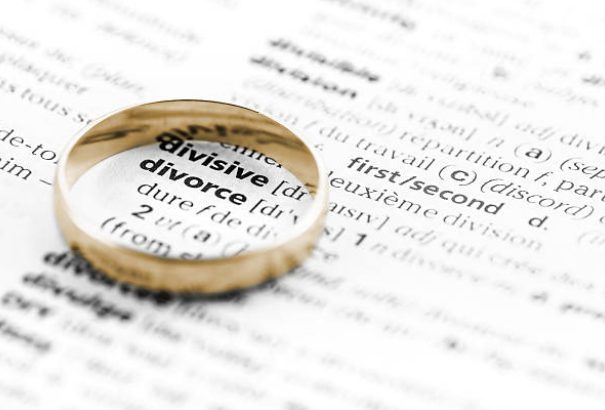







 The other thing you can consider when hiring a criminal defense lawyer is the number of cases they have won before. One who has won many cases is the best to pick. You can also consider the amount the criminal lawyer you plan to hire is charging for their services. This may vary from one attorney to another. It is good to compare the legal fees to settle for one who is charging reasonably. There are several reasons why you should hire a criminal lawyer if you are slapped with related charges. They include:
 Proper Legal Representation